

Stop trying to focus.
Coffee is the reward at the end of the work. This is the thing you do before it starts.
A mind that will not settle is a mind moving between what already happened, what might happen, and what is happening. Making matcha offers it none of those.
For a few minutes your attention is on the temperature of the water, the angle of your wrist, the sound the whisk makes when the foam turns fine.
Nobody concentrates by deciding to. You do this, and then you notice that you have been.
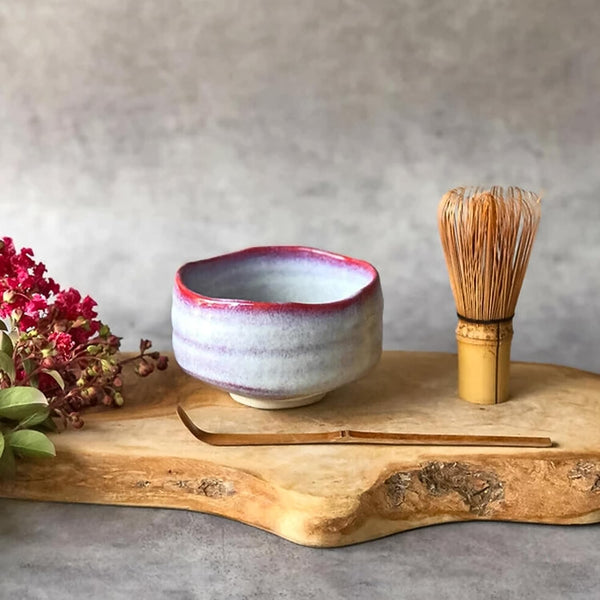
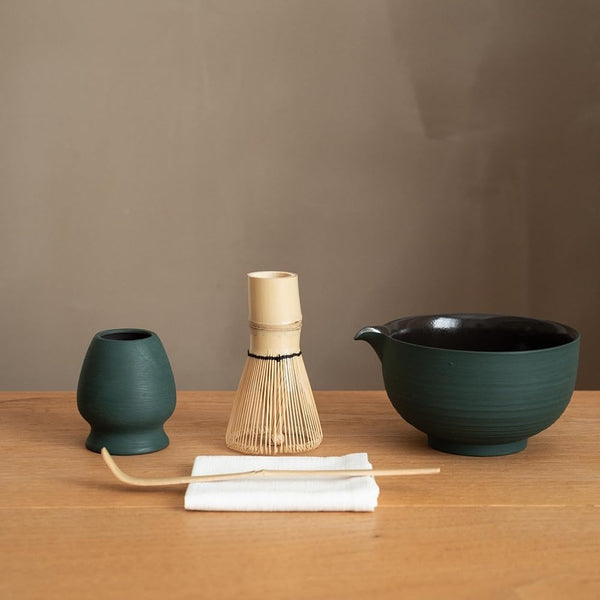
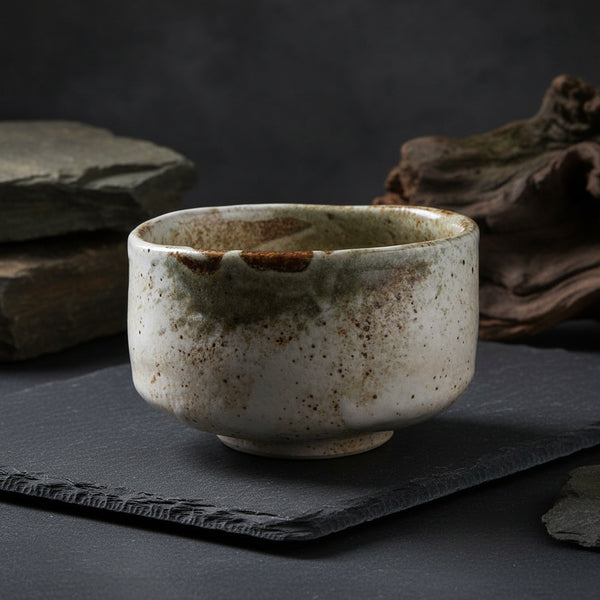
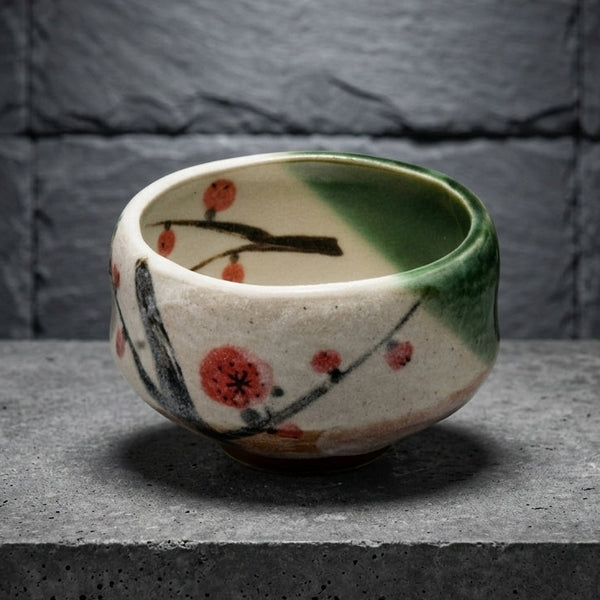
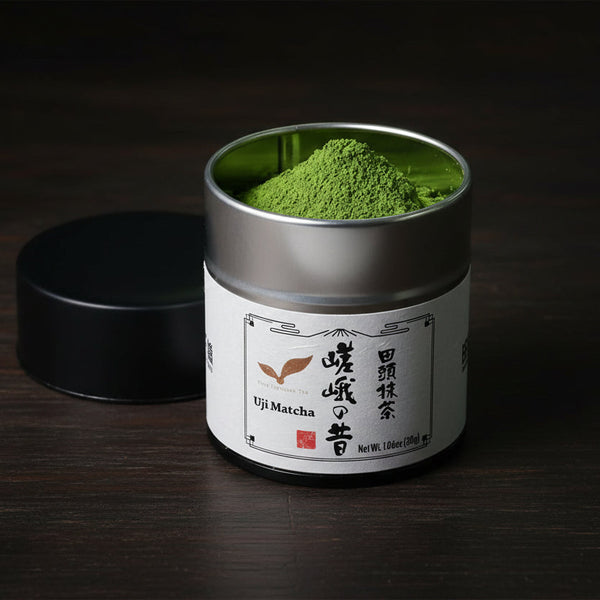
That is why this is a shelf of objects and not a tin of powder. The objects are what give your hands the work.
Boil it, then wait.
You already own a kettle. Boil the water, pour it into something small, and let it stand while you get the bowl ready — 70 to 80°C in summer, 75 to 85°C in winter. Never straight off the boil.
That wait is not lost time. It is the first part of this.
Fifteen seconds, and not in circles.
Sift the matcha, add a little of the water, and work it into a paste before the rest arrives. Then raise the whisk clear of the base and shake it from the wrist — you are not stirring the water round.
When the foam turns fine, the sound changes. That is how you know.
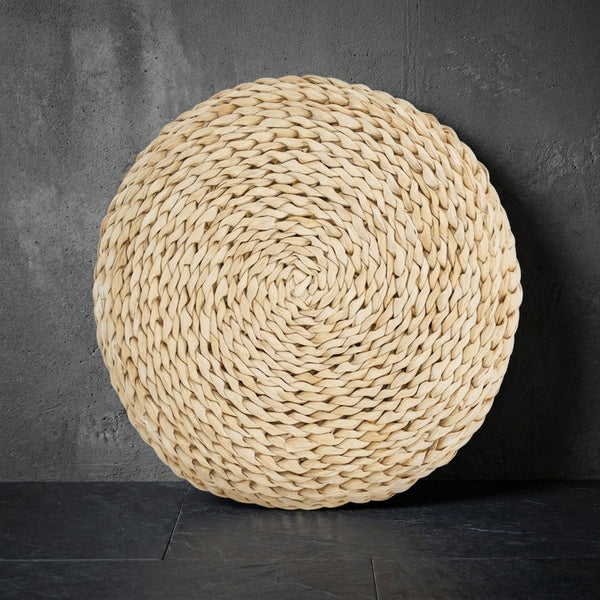
The floor is lower than a chair.
Your back does the work the chair was doing, your legs fold instead of hanging, and there is nothing behind you to lean into.
It is harder to stop paying attention when there is nothing to lean on.
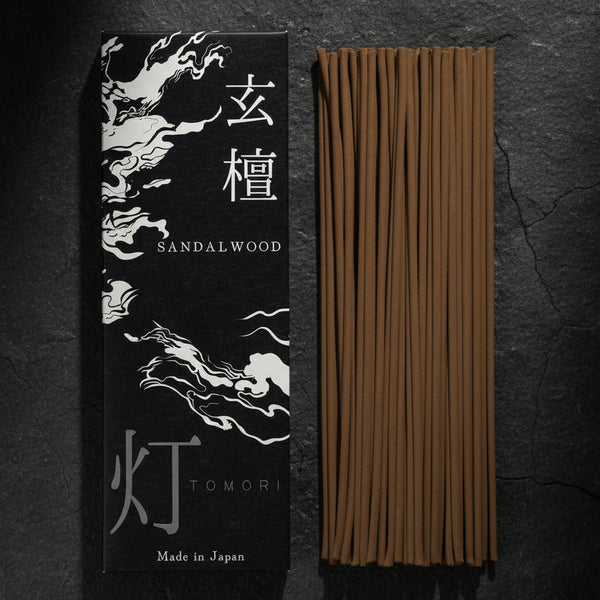
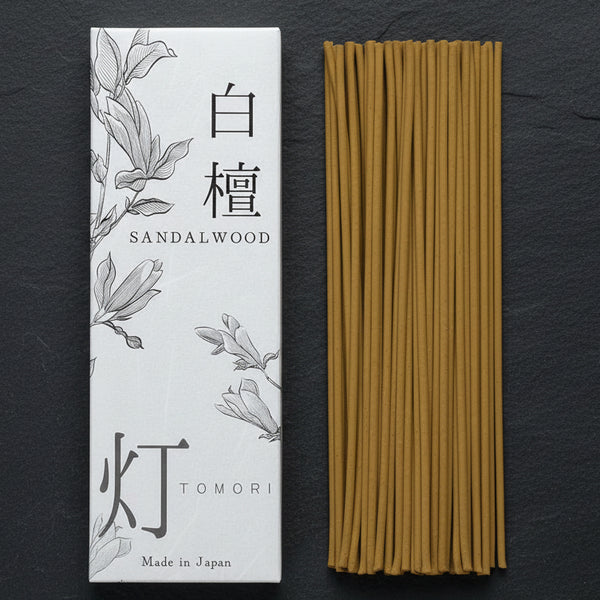
Light it, and the room changes before you do.
A stick lasts twenty-five to thirty minutes, which turns out to be a useful length of time to sit for. You do not need to watch a clock; you need to watch a stick.
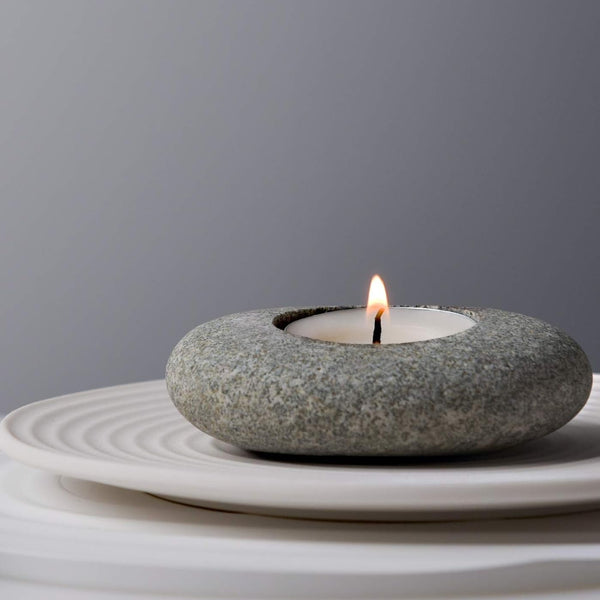
If smoke is not for you, a candle does the same work.
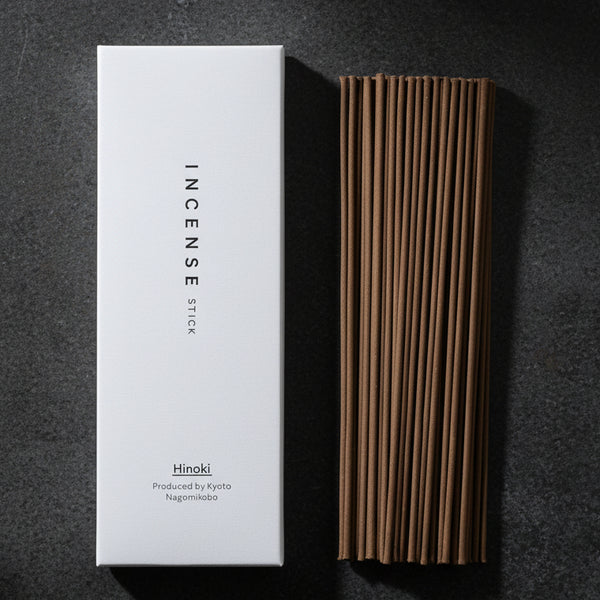
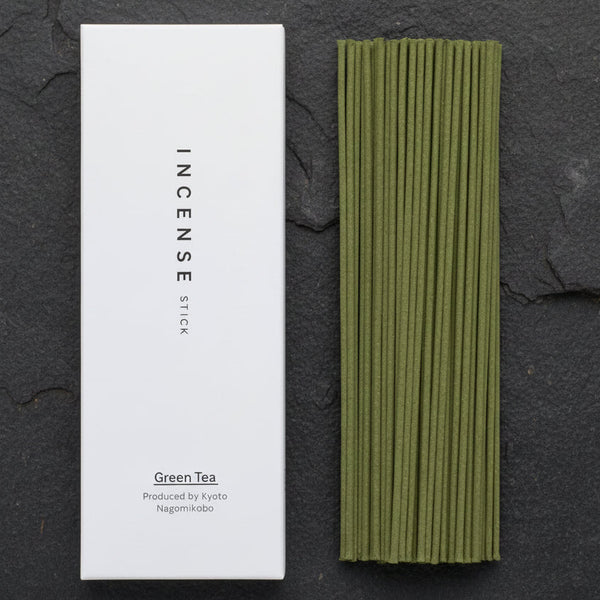
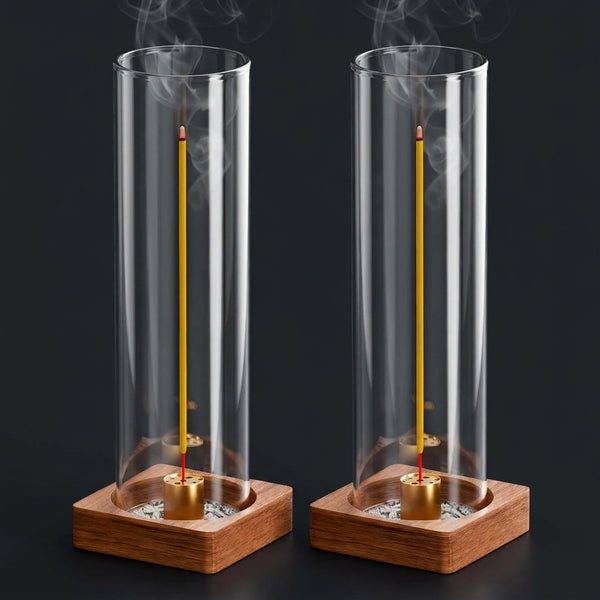
Turn the big light off first.
A ceiling light is for finding things. This is for after you have found them.
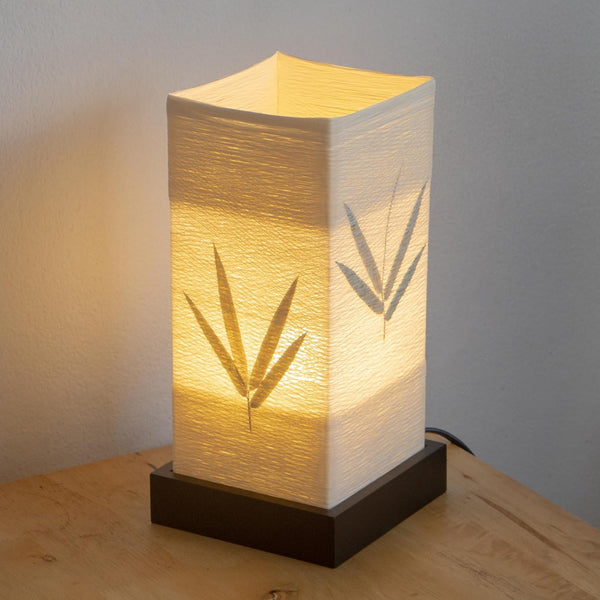
You will stop noticing it.
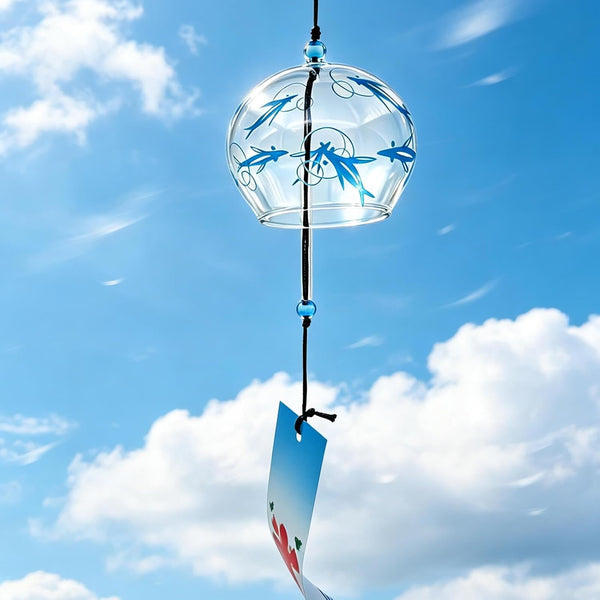
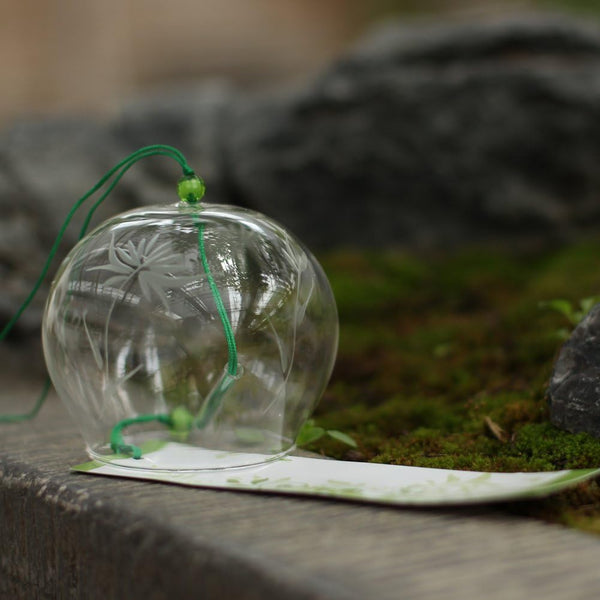
That is when it starts working. Some afternoon, while you are sitting with a bowl in your hands, it will ring once and you will notice that the air moved.
Six steps, and none of them is the drink.
See everything